




Introduction
Warframe is Digital Extremes' long-running looter-shooter and one of the great free-to-play success stories. Around 72,601 Tenno are online at any moment, playing 38.2 million hours every month, and the game has grown from a modest co-op shooter into a sprawling universe of parkour, gunplay, open worlds and cinematic quests.
You play as a Tenno controlling powerful biomechanical suits called warframes, each with its own abilities and style. There are dozens to collect, with the roster now well past 60 and over 100 counting variants, plus a mountain of weapons and companions. It is enormous, sometimes overwhelming, and almost entirely available without paying a cent.
Gameplay Mechanics
Moment to moment, Warframe is fast and fluid. You slide, bullet-jump and wall-run through levels, mixing guns, melee and warframe abilities to tear through hordes of enemies. Every warframe plays differently, from tanky defenders to stealthy assassins and summoners, so swapping frames can feel like switching games.
The real depth lies in modding. Each weapon and warframe has slots for mods that reshape damage, survivability and abilities, and learning to build properly is the gateway to endgame content. Farming relics lets you crack open Prime gear, the upgraded golden versions of frames and weapons that many players chase.
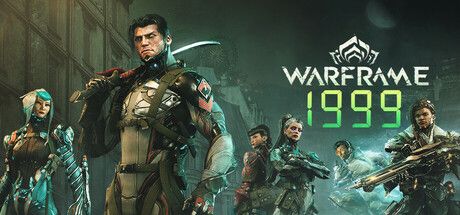
Beyond core missions, Warframe offers open-world zones, Railjack ship combat in space, the Duviri roguelike experience and squad-based endgame activities. Its quest line is where the game truly surprises, with cinematic story chapters such as The New War and 1999 revealing a strange and emotional narrative. Cross-play and cross-save make it easy to keep playing with friends across platforms.
How to Play
Pick a starter warframe and follow the star chart, unlocking planets and quests in order. The quests teach systems gradually and lead to some of the best story moments, so do not skip them. Early on, craft Rhino; it is tough, simple and an excellent frame for learning the game.
Before you commit to a long session of Game, clear the onboarding properly. Finish the tutorial or first mission without skipping dialogue that teaches a mechanic, then open settings and lock a stable frame rate. Remap awkward binds early — especially interact, sprint, inventory, and voice-chat push-to-talk if the game loop depends on them.
Your first two hours should prove one core loop, not every system at once. Treat this as the north star: Pick a starter warframe and follow the star chart, unlocking planets and quests in order. The quests teach systems gradually and lead to some of the best story moments, so do not skip them. Early on, craft Rhino; it is tough, simple and an excellent frame for learning the game. Park secondary crafts, cosmetics, and side modes until that loop feels automatic. Most early rage-quits happen because players open five menus before they understand one.
When you stall, change a single variable and retry: loadout, route, difficulty, teammate role, or economy timing. Watch one short clip only for positioning or UI cues, then close it and practice. Screenshot useful maps/menus into a folder so you are not alt-tabbing every death.
End each session with a three-line note — what killed you, what resource you lacked, and the first experiment for next time. That habit turns Game from “too much info” into a climb you can feel week to week, whether you play solo or with friends.
Pros & Cons
- ✅ 100+ warframes
- ✅ Cross-save/play
- ✅ Fair F2P
- ❌ New-player overload
- ❌ Grind walls
Conclusion
Warframe remains a gold standard for free-to-play design, offering a huge, fair and constantly evolving action game. New players will feel overloaded and some grind walls are steep, but the payoff is immense, and few games reward long-term commitment so generously.
It is ideal for co-op fans, buildcrafters and anyone wanting a long-term game. Start free on Steam, Epic or Xbox and Microsoft platforms with cross-save.