










Introduction
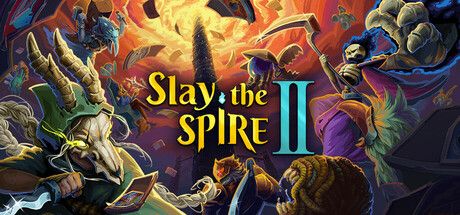
Slay the Spire 2 is Mega Crit's return to the genre it helped define, and the climb has been a huge success. It currently draws around 71,427 concurrent players with 44.1 million monthly hours and a peak near 105K, proof that the appetite for one more run is as strong as ever.
The original Slay the Spire shaped a whole wave of roguelike deckbuilders, so a sequel carried high expectations. Rather than reinventing the formula, Slay the Spire 2 refines it, adding new characters, cards, relics and encounters while preserving the tense, thoughtful decision-making that made the first game so addictive. It is currently in Early Access, so the content and pacing continue to evolve.
Gameplay Mechanics
Each run starts with a character and a modest starter deck. You climb the Spire by choosing a path across a branching map, picking between regular fights, elite battles, shops, events, campfires and treasure. After fights you draft new cards, and over time your small deck grows into a specialized engine built around a strategy.
Combat is turn-based and revolves around energy. Each turn you draw cards, spend energy to attack, defend or set up powers, and read enemy intents to decide whether to go aggressive or brace for impact. Relics add passive effects that can completely change how a deck plays, and spotting combinations between cards and relics is where the deep, satisfying theorycrafting begins.
Runs span multiple acts with tough bosses waiting at the end of each, and the newly introduced Necrobinder class brings fresh mechanics for veterans to master. Daily climbs, custom runs and increasing difficulty levels provide endless replay value, while Early Access means pacing and balance are still being tuned, particularly around some punishing act bosses.
How to Play
On your first runs, prioritize strong, simple damage cards over flashy synergies. Many beginners lose because their decks cannot deal enough damage in the early acts, so solid attacks are usually the safer pick. Learn to skip cards, too; a lean deck draws its best cards more often.
Before you commit to a long session of Game, clear the onboarding properly. Finish the tutorial or first mission without skipping dialogue that teaches a mechanic, then open settings and lock a stable frame rate. Remap awkward binds early — especially interact, sprint, inventory, and voice-chat push-to-talk if the game loop depends on them.
Your first two hours should prove one core loop, not every system at once. Treat this as the north star: On your first runs, prioritize strong, simple damage cards over flashy synergies. Many beginners lose because their decks cannot deal enough damage in the early acts, so solid attacks are usually the safer pick. Learn to skip cards, too; a lean deck draws its best cards more often. Park secondary crafts, cosmetics, and side modes until that loop feels automatic. Most early rage-quits happen because players open five menus before they understand one.
When you stall, change a single variable and retry: loadout, route, difficulty, teammate role, or economy timing. Watch one short clip only for positioning or UI cues, then close it and practice. Screenshot useful maps/menus into a folder so you are not alt-tabbing every death.
End each session with a three-line note — what killed you, what resource you lacked, and the first experiment for next time. That habit turns Game from “too much info” into a climb you can feel week to week, whether you play solo or with friends.
Pros & Cons
- ✅ 105K peak
- ✅ New Necrobinder class
- ✅ Perfect formula refined
- ❌ Early Access pacing
- ❌ Hard Act bosses
Conclusion
Slay the Spire 2 is a confident sequel that polishes a near-perfect formula with new classes, cards and encounters. Early Access pacing and brutal bosses are the main caveats, but the core loop is as compelling as ever, and each run still feels like a fresh puzzle.
If you loved the first game, it is an easy day-one pick, and newcomers will find a great entry point. Wishlist or buy it on Steam.