




Introduction
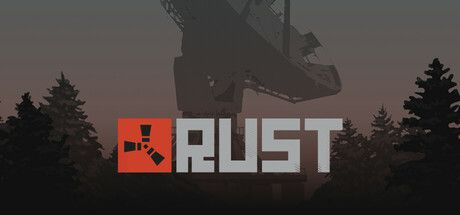
Rust is Facepunch's notorious survival sandbox, a game where the world never sleeps and neither, apparently, do its players. Around 92,897 people are surviving at any given moment, with 61 million hours logged monthly and peaks reaching 148K. You wake up on a beach with a rock and a torch, and everything after that is up to you and the strangers around you.
What separates Rust from other survival games is how social and ruthless it is. Other players are the real threat, and every base you build can be raided while you are offline. Alliances form and collapse, trades turn into ambushes, and a single night can wipe out days of work. It is stressful, thrilling and endlessly memorable.
Gameplay Mechanics
Each server runs on a wipe cycle, usually weekly or monthly, resetting the map so everyone starts fresh. Wipe day is a sprint: you gather wood and stone with a rock, craft a bow, claim a spot, and race toward better tools and eventually guns. The progression from primitive to modern weaponry happens fast for organized groups and painfully slowly for lone wanderers.
Building is the backbone of survival. Smart players design compact bases with honeycomb layers that make raiding more expensive, airlocks to prevent door camping, and turrets or traps to punish intruders. Beyond the walls, monuments scattered across the map hold valuable loot guarded by scientists, while late-game events like the oil rig and the attack helicopter test well-equipped teams.
Rust also has surprisingly deep systems for those who settle in. Electricity lets you wire lights, alarms and automated defenses, farming supports long-term food and medicine, and the economy around trading and vending machines adds a calmer side to an otherwise brutal game.
How to Play
Your first decision matters most: pick a low-population server with a monthly wipe. Fewer players means less pressure, and a longer wipe gives you time to learn without everything resetting before you understand it. Community servers labeled for newer players are a good place to start.
Before you commit to a long session of Game, clear the onboarding properly. Finish the tutorial or first mission without skipping dialogue that teaches a mechanic, then open settings and lock a stable frame rate. Remap awkward binds early — especially interact, sprint, inventory, and voice-chat push-to-talk if the game loop depends on them.
Your first two hours should prove one core loop, not every system at once. Treat this as the north star: Your first decision matters most: pick a low-population server with a monthly wipe. Fewer players means less pressure, and a longer wipe gives you time to learn without everything resetting before you understand it. Community servers labeled for newer players are a good place to start. Park secondary crafts, cosmetics, and side modes until that loop feels automatic. Most early rage-quits happen because players open five menus before they understand one.
When you stall, change a single variable and retry: loadout, route, difficulty, teammate role, or economy timing. Watch one short clip only for positioning or UI cues, then close it and practice. Screenshot useful maps/menus into a folder so you are not alt-tabbing every death.
End each session with a three-line note — what killed you, what resource you lacked, and the first experiment for next time. That habit turns Game from “too much info” into a climb you can feel week to week, whether you play solo or with friends.
Pros & Cons
- ✅ 148K peak
- ✅ Monthly wipes fresh
- ✅ Deep electricity + farming
- ❌ Ruthless to solos
- ❌ Time sink
Conclusion
Rust is one of the most intense multiplayer experiences on Steam, combining survival, base-building and constant player conflict into stories you will retell for years. It is a serious time sink and can be cruel to solo players, yet few games deliver highs quite like a successful raid defense.
It is best for groups who enjoy high stakes and players who thrive on tension. Grab it on Steam, and bring friends.