









Introduction
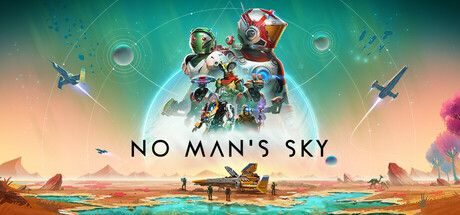
No Man's Sky is the great comeback story of modern gaming. Hello Games launched a space exploration dream that did not live up to expectations, then spent years shipping free updates until it became the game players had hoped for and much more. Today it hosts around 26K concurrent explorers and about 15 million monthly hours across a universe of 18 quintillion procedural planets.
The appeal is freedom. You can be a trader, a pirate, a base builder, a fleet commander or simply a wanderer hopping from planet to planet to see what strange world comes next. It can be relaxing or punishing, solitary or social, and it rarely tells you what to do once the basics are covered.
Gameplay Mechanics
The core loop revolves around gathering resources, upgrading your gear and moving outward. You mine minerals with your multitool, refine materials, repair and improve your starship and exosuit, and discover new star systems. Each planet has its own climate, creatures and hazards, which keeps the early hours full of surprises.
As you progress, the scope opens up dramatically. You can build sprawling bases, manage a settlement, command a freighter with frigate fleets sent on missions, adopt pet companions and take on Nexus missions with other players. Seasonal Expeditions offer structured challenges with exclusive rewards, giving returning players a reason to start fresh.
Difficulty options are flexible. Creative mode removes survival pressure for builders, while Permadeath turns every jump into a real gamble. The core loop can become repetitive after many hours, and multiplayer is relatively light compared to dedicated online games, but cross-play makes it easy to explore with friends.
How to Play
Start by following the Artemis storyline. It walks you through the essential systems, unlocks important technology and leads to free ships along the way. Resist the urge to wander too far before you have repaired your ship and learned to warp between systems.
Before you commit to a long session of Game, clear the onboarding properly. Finish the tutorial or first mission without skipping dialogue that teaches a mechanic, then open settings and lock a stable frame rate. Remap awkward binds early — especially interact, sprint, inventory, and voice-chat push-to-talk if the game loop depends on them.
Your first two hours should prove one core loop, not every system at once. Treat this as the north star: Start by following the Artemis storyline. It walks you through the essential systems, unlocks important technology and leads to free ships along the way. Resist the urge to wander too far before you have repaired your ship and learned to warp between systems. Park secondary crafts, cosmetics, and side modes until that loop feels automatic. Most early rage-quits happen because players open five menus before they understand one.
When you stall, change a single variable and retry: loadout, route, difficulty, teammate role, or economy timing. Watch one short clip only for positioning or UI cues, then close it and practice. Screenshot useful maps/menus into a folder so you are not alt-tabbing every death.
End each session with a three-line note — what killed you, what resource you lacked, and the first experiment for next time. That habit turns Game from “too much info” into a climb you can feel week to week, whether you play solo or with friends.
Pros & Cons
- ✅ Free updates for years
- ✅ Cross-play
- ✅ Relaxed or permadeath
- ❌ Repetitive core loop
- ❌ Multiplayer light
Conclusion
No Man's Sky is the ultimate chill space sandbox and a testament to what long-term support can achieve. It suits explorers, builders and anyone who wants to set their own goals rather than follow a strict path. Its repetitive core and light multiplayer will not suit everyone, but it is a fantastic value on GOG, Steam or the Microsoft Store, especially during sales.