




Introduction
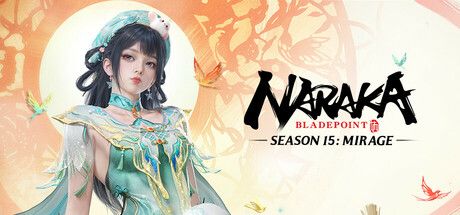
NARAKA: BLADEPOINT dared to ask what a battle royale would look like if swords, spears and grappling hooks replaced assault rifles, and the answer has proved remarkably popular. Around 57,745 warriors are fighting at any time, logging about 18M monthly hours, in a free-to-play battle royale built on martial-arts combat.
Sixty players drop into a stylish, mythic world where combos, parries and acrobatic movement matter far more than aim. It is flashy, demanding and unlike any other entry in a crowded genre, which is exactly why it stands out.
Gameplay Mechanics
Combat revolves around a stone-paper-scissors system. Regular attacks beat focus attacks while they wind up, focus attacks break through blocks, and well-timed parries counter focus attacks. Reading opponents and responding correctly is the core skill, and fights become tense mind games rather than quick exchanges of gunfire.
Movement is equally important. The grappling hook lets you zip across rooftops, scale walls and close distance or escape danger in an instant, giving every fight a vertical dimension. Characters can climb almost anything, making exploration fluid and fast.
Heroes bring unique abilities and ultimates, from healing to devastating area attacks, and choosing one that fits your style is key. During a match you loot weapons, armor and souljades, which grant passive bonuses. Modes include solos, duos, trios, ranked play and PvE content, so there is room to practise before facing the most competitive lobbies.
Weapon choice adds another layer. Long blades, katanas, spears and greatswords each have different reach, speed and combo strings, and ranged weapons exist for chipping damage or finishing fleeing enemies. Swapping between two weapons mid-fight to extend combos is a key advanced technique. When it all comes together, a duel in Naraka feels like a choreographed martial-arts movie scene, and that spectacle is a large part of its charm.
How to Play
Pick one hero and stick with them while learning. Viper Ning and Tarka Ji are commonly recommended starting choices because their abilities are straightforward and useful in many situations. Mastering one kit is better than dabbling in all of them.
Before you commit to a long session of Game, clear the onboarding properly. Finish the tutorial or first mission without skipping dialogue that teaches a mechanic, then open settings and lock a stable frame rate. Remap awkward binds early — especially interact, sprint, inventory, and voice-chat push-to-talk if the game loop depends on them.
Your first two hours should prove one core loop, not every system at once. Treat this as the north star: Pick one hero and stick with them while learning. Viper Ning and Tarka Ji are commonly recommended starting choices because their abilities are straightforward and useful in many situations. Mastering one kit is better than dabbling in all of them. Park secondary crafts, cosmetics, and side modes until that loop feels automatic. Most early rage-quits happen because players open five menus before they understand one.
When you stall, change a single variable and retry: loadout, route, difficulty, teammate role, or economy timing. Watch one short clip only for positioning or UI cues, then close it and practice. Screenshot useful maps/menus into a folder so you are not alt-tabbing every death.
End each session with a three-line note — what killed you, what resource you lacked, and the first experiment for next time. That habit turns Game from “too much info” into a climb you can feel week to week, whether you play solo or with friends.
Pros & Cons
- ✅ Unique melee BR
- ✅ Grappling movement
- ✅ Heroes + ults
- ❌ High skill floor
- ❌ Combo-heavy meta
Conclusion
NARAKA: BLADEPOINT is the freshest battle royale in years. The skill floor is high and the combo-heavy meta can frustrate newcomers, but the melee combat and grappling movement are genuinely unique.
It suits action and fighting-game fans who are tired of gun-based shooters. It is free on Steam and Xbox, and also available on Epic.