








Introduction
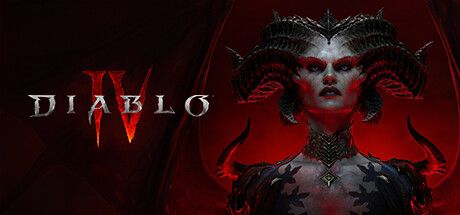
Diablo IV is Blizzard's seasonal return to Sanctuary, and it continues to pull around 30K concurrent players on PC, with a 62K peak and roughly 11.2 million monthly hours. Between its open world, rotating seasonal realms and the Vessel of Hatred expansion, it has settled into the rhythm of a live action RPG that people revisit every few months.
The campaign is its standout strength. Dark, beautifully staged and genuinely unsettling, it brings back the gothic horror tone longtime fans missed. Once the story ends, the hunt for loot, paragon power and higher Pit tiers takes over, and that endgame loop is where opinions split, though seasons keep refreshing the formula.
Gameplay Mechanics
You pick from six classes, each with distinct skill trees and play patterns, from summoning armies of the dead to shapeshifting into beasts. Levels unlock skills, and once you reach the endgame, paragon boards let you invest points into glyphs and nodes that dramatically change how a build performs. Legendary aspects and tempering let you shape gear toward specific synergies.
The endgame loop revolves around pushing the Pit, a timed dungeon that scales through tiers, and farming bosses for the rare uber items everyone dreams about. Helltides, Nightmare Dungeons and seasonal mechanics add variety, and party finder makes it easy to group up when solo progress stalls.
Diablo IV also supports couch co-op on consoles, a rarity in modern ARPGs, and its seasonal journeys provide clear goals with meaningful rewards. Itemization has gone through several reworks, which has frustrated some veterans, but the current direction gives more control over how you build.
The open world deserves credit as well. Sanctuary is dotted with side quests, strongholds and world events, and riding between zones on a mount gives the game a sense of place that older Diablo titles never had. Running into a world boss with a crowd of strangers is a small but memorable thrill, and Vessel of Hatred adds a new region and story to explore once the base campaign is done.
How to Play
Before you dive in, pick a build plan rather than spending points on instinct. Community planners such as Maxroll lay out skill and paragon paths for every class, and following one early saves hours of respeccing and confusion. You can experiment later once you understand how damage multipliers stack.
Before you commit to a long session of Game, clear the onboarding properly. Finish the tutorial or first mission without skipping dialogue that teaches a mechanic, then open settings and lock a stable frame rate. Remap awkward binds early — especially interact, sprint, inventory, and voice-chat push-to-talk if the game loop depends on them.
Your first two hours should prove one core loop, not every system at once. Treat this as the north star: Before you dive in, pick a build plan rather than spending points on instinct. Community planners such as Maxroll lay out skill and paragon paths for every class, and following one early saves hours of respeccing and confusion. You can experiment later once you understand how damage multipliers stack. Park secondary crafts, cosmetics, and side modes until that loop feels automatic. Most early rage-quits happen because players open five menus before they understand one.
When you stall, change a single variable and retry: loadout, route, difficulty, teammate role, or economy timing. Watch one short clip only for positioning or UI cues, then close it and practice. Screenshot useful maps/menus into a folder so you are not alt-tabbing every death.
End each session with a three-line note — what killed you, what resource you lacked, and the first experiment for next time. That habit turns Game from “too much info” into a climb you can feel week to week, whether you play solo or with friends.
Pros & Cons
- ✅ Great campaign
- ✅ Seasons refresh
- ✅ Couch co-op
- ❌ Itemization reworks
- ❌ Endgame loop debates
Conclusion
Diablo IV has one of the strongest campaigns in the genre and a seasonal model that keeps giving players reasons to return. Endgame purists may prefer deeper ARPGs, but anyone who enjoys dark atmosphere, smooth combat and couch co-op will have a great time.
It is available on Steam and the Microsoft Store, included with Game Pass, and Steam sales regularly make the expansion affordable.