






Introduction
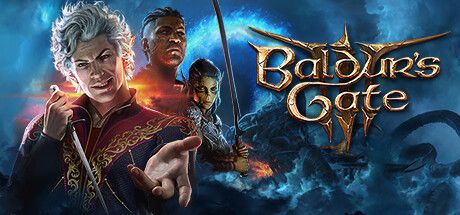
Baldur's Gate 3 is the RPG that redefined what players expect from the genre. Built by Larian Studios on Dungeons and Dragons 5th edition rules, it throws you into a sprawling adventure across the Forgotten Realms, where almost every choice ripples outward in ways you never expect. It remains a top seller on Steam, GOG and other storefronts long after launch.
What sets it apart is genuine freedom. You can talk your way past a boss, sneak through an entire area, set a camp ablaze or recruit an unlikely ally, and the story adapts to all of it. Best-in-class writing, memorable companions and reactive quests make it feel less like a game and more like a tabletop campaign run by a brilliant dungeon master.
Gameplay Mechanics
Combat is turn-based and built around action, bonus action and movement. Each turn you decide how to use your character's options, from casting spells and swinging weapons to shoving enemies off ledges or throwing explosive barrels. Positioning, height and the environment matter enormously, so creative thinking often beats raw power.
Outside of fights, dice rolls decide outcomes in conversations, lockpicking and skill checks. A failed roll does not stop the story but sends it down a different path, which keeps every playthrough unique. You build a party of four, including Origin characters with their own personal stories, romances and agendas.
Character building is deep. Multiclassing, feats, subclasses and gear combine into countless builds, and the full campaign supports co-op so friends can share the adventure. A single run is very long, easily over a hundred hours, and the depth can feel complex for newcomers, but it rewards curiosity at every turn.
How to Play
If you are new to turn-based RPGs or Dungeons and Dragons, start on Explorer difficulty. It softens combat while keeping the story intact, letting you learn the systems without frustration. You can always raise the difficulty later.
Before you commit to a long session of Game, clear the onboarding properly. Finish the tutorial or first mission without skipping dialogue that teaches a mechanic, then open settings and lock a stable frame rate. Remap awkward binds early — especially interact, sprint, inventory, and voice-chat push-to-talk if the game loop depends on them.
Your first two hours should prove one core loop, not every system at once. Treat this as the north star: If you are new to turn-based RPGs or Dungeons and Dragons, start on Explorer difficulty. It softens combat while keeping the story intact, letting you learn the systems without frustration. You can always raise the difficulty later. Park secondary crafts, cosmetics, and side modes until that loop feels automatic. Most early rage-quits happen because players open five menus before they understand one.
When you stall, change a single variable and retry: loadout, route, difficulty, teammate role, or economy timing. Watch one short clip only for positioning or UI cues, then close it and practice. Screenshot useful maps/menus into a folder so you are not alt-tabbing every death.
End each session with a three-line note — what killed you, what resource you lacked, and the first experiment for next time. That habit turns Game from “too much info” into a climb you can feel week to week, whether you play solo or with friends.
Pros & Cons
- ✅ Best-in-class writing
- ✅ True player freedom
- ✅ Co-op campaign
- ❌ Very long (100h+)
- ❌ Complex for newcomers
Conclusion
Baldur's Gate 3 is still the benchmark for modern RPGs, offering unmatched freedom, outstanding writing and a fantastic co-op campaign. Its length and complexity may intimidate some players, but the payoff is enormous. Buy it on Steam for easy mod support through the Workshop, on GOG for a DRM-free copy, or through the Microsoft ecosystem.